


Why Are Customizable Silicon Domes Used in Optical Systems?
Sep. 18, 2026
Modern optical systems often operate in demanding environments where optical components must provide not only high transmission performance but also reliable protection against temperature changes, mechanical stress, dust, moisture, and other external factors. Among these components, customizable silicon domes have become an important solution for infrared imaging, sensing, aerospace, and industrial optical applications.
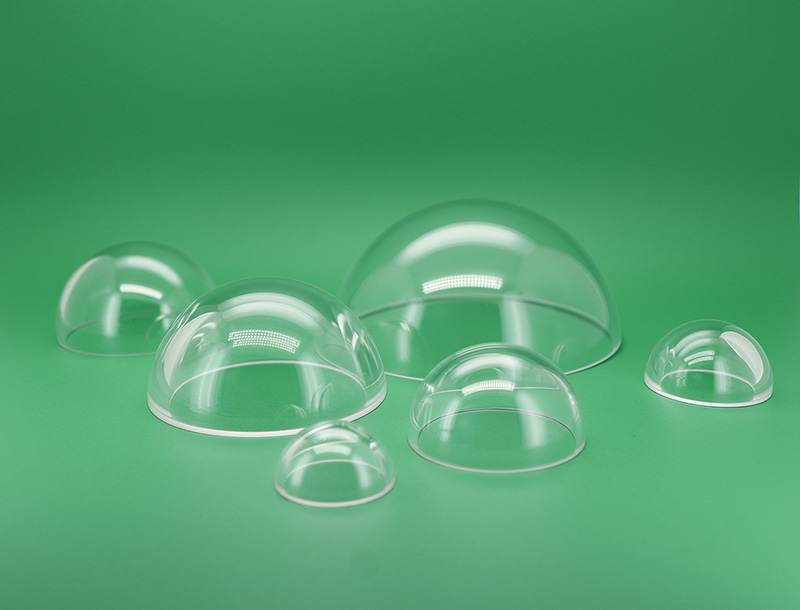
Unlike standard flat optical windows, silicon domes are designed with curved geometries that help maintain optical performance while protecting sensitive sensors and lenses. By customizing the dome size, curvature, surface accuracy, and coating design, manufacturers can create solutions optimized for specific optical systems and wavelength requirements.
What Is a Silicon Dome?
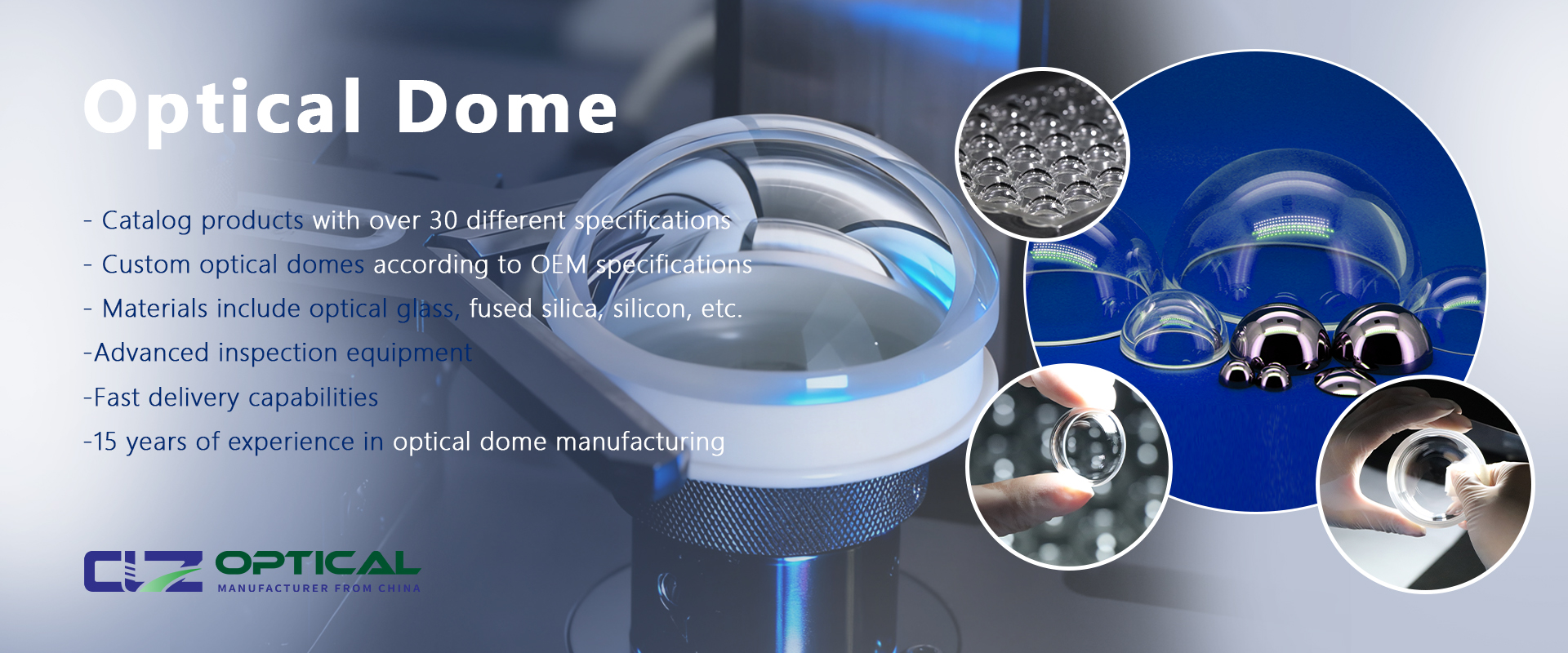
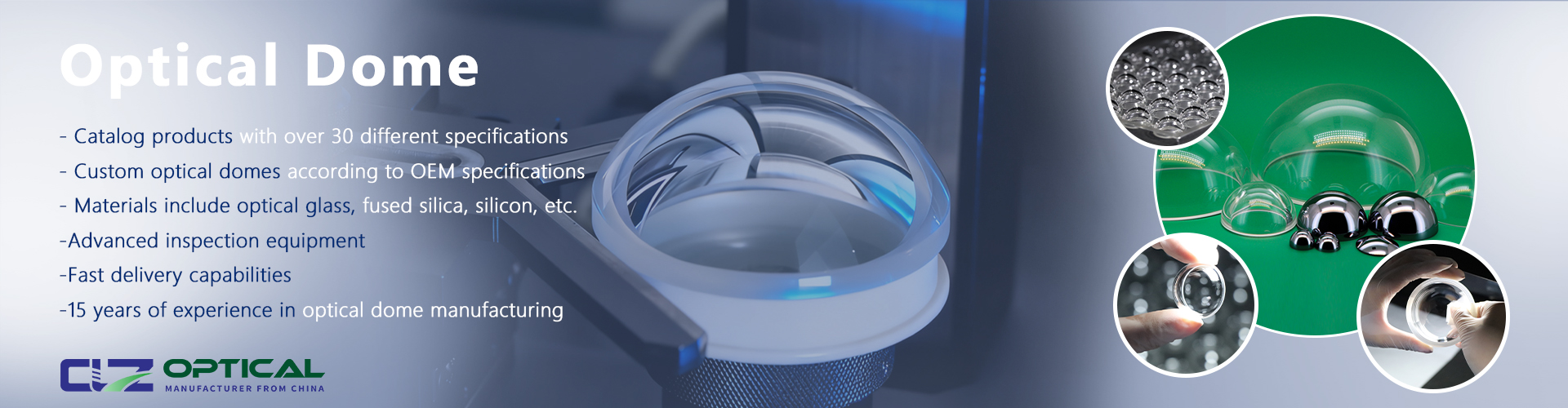
A silicon dome is a precision optical component manufactured from high-purity silicon crystal material. It is typically used as a protective infrared window placed in front of optical sensors, detectors, or imaging assemblies.
Silicon is widely selected for infrared applications because it offers:
Excellent infrared transmission performance
High refractive index for compact optical designs
Good thermal stability
Strong mechanical durability
Compatibility with MWIR and LWIR optical systems
Compared with conventional flat windows, dome structures provide additional design flexibility by reducing optical distortion and supporting wider viewing angles in many imaging applications.
Why Are Silicon Domes Customized for Optical Systems?
1. Different Optical Systems Require Different Dome Geometries
Every optical system has unique mechanical and optical requirements. A standard silicon dome may not fit the exact position, field of view, or mounting structure of a specific device.
Customization allows engineers to optimize:
Dome diameter
Dome height
Curvature radius
Wall thickness
Clear aperture
Mounting interface
Overall shape design
For example, a thermal imaging camera used in aerospace may require a different dome profile compared with an industrial infrared inspection system.
By designing the dome according to the optical assembly, manufacturers can achieve better integration and minimize optical losses.
2. Silicon Domes Provide Excellent Infrared Transmission
One of the primary reasons silicon is used in optical domes is its infrared transmission capability.
Silicon optical domes typically support infrared wavelengths from approximately 1.2–15 μm, making them suitable for many MWIR and LWIR applications, including:
Thermal imaging cameras
Infrared sensors
Detection systems
Aerospace infrared optics
Industrial monitoring equipment
For infrared optical systems, the dome material directly affects image quality, detection accuracy, and overall system efficiency.
A properly designed silicon dome helps maintain infrared signal transmission while protecting internal optical components.
3. Custom Coatings Improve Optical Performance
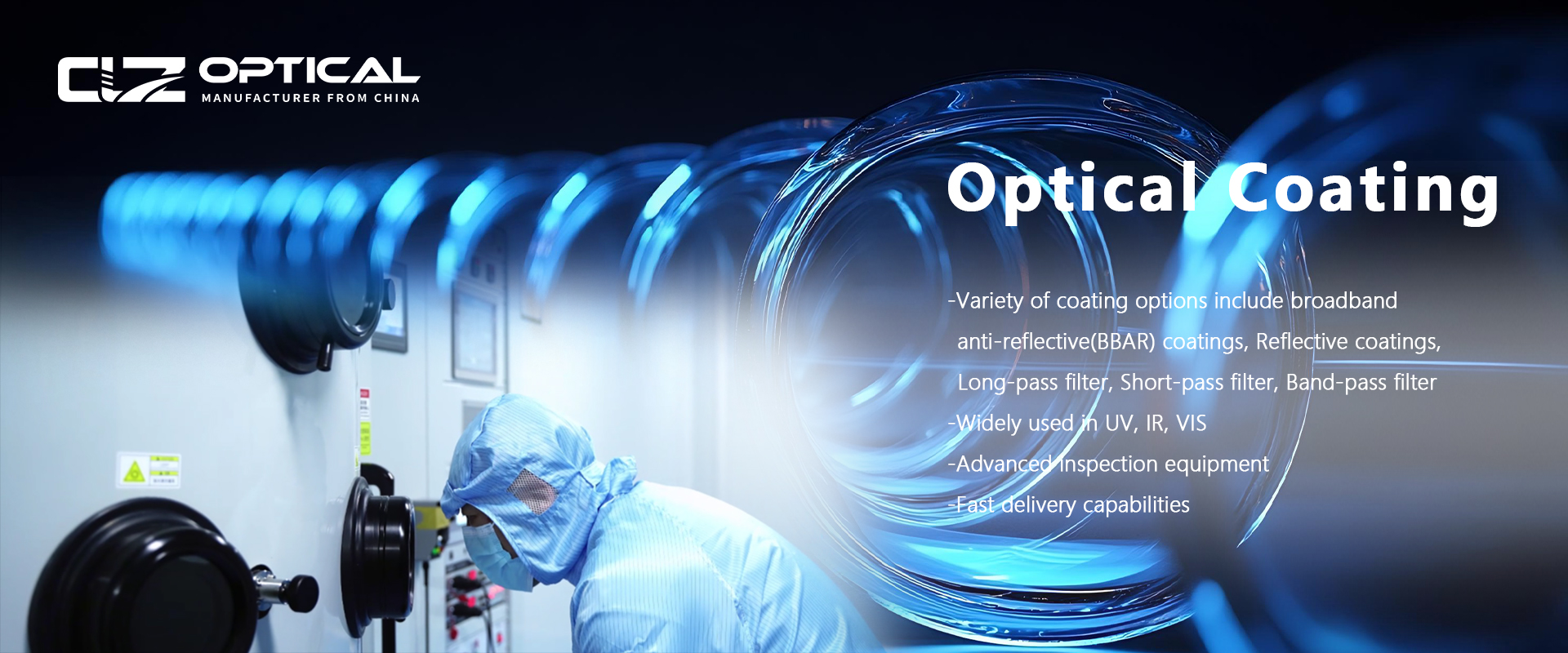
Although silicon itself provides excellent infrared performance, surface reflections can reduce transmission efficiency. Therefore, customized anti-reflective (AR) coatings are often applied according to the operating wavelength.
Common coating options include:
MWIR anti-reflective coatings
LWIR anti-reflective coatings
Broadband infrared coatings
Application-specific coating designs
The coating selection depends on:
Operating wavelength range
Incident angle
Environmental conditions
Required transmission efficiency
Customized coating solutions help optical systems achieve higher signal quality and improved detection performance.
4. Silicon Domes Protect Sensitive Optical Components
Many optical systems operate in harsh environments where internal sensors need protection from external damage.
A silicon dome acts as a protective barrier against:
Dust contamination
Moisture exposure
Mechanical impact
Temperature variations
Environmental particles
Typical applications include:
Infrared cameras
Aerospace imaging systems
Military detection equipment
Industrial inspection devices
Outdoor sensing systems
The dome structure allows engineers to balance protection requirements with optical performance.
5. Custom Silicon Domes Support Compact Optical Design
Silicon has a relatively high refractive index, which provides advantages for optical designers.
A high refractive index can help:
Reduce optical system size
Improve lens arrangement flexibility
Support compact infrared assemblies
Optimize optical paths
For modern infrared devices where space and weight are critical factors, customized silicon domes allow engineers to develop smaller and more efficient optical systems.
Key Factors to Consider When Customizing Silicon Domes
When selecting or designing a silicon dome, engineers usually consider several technical parameters.
Material Selection
High-purity silicon is commonly chosen for infrared applications due to its transmission characteristics and mechanical properties.
Important considerations include:
Crystal quality
Optical absorption
Thermal characteristics
Mechanical strength
Dome Geometry
The geometry directly influences optical performance.
Important parameters include:
Diameter tolerance
Curvature accuracy
Dome thickness
Surface profile
Mechanical interface
Incorrect geometry may introduce distortion or reduce system performance.
Surface Accuracy and Quality
Precision optical systems require strict surface control.
Common specifications include:
Surface accuracy
Surface roughness
Scratch-dig quality
Dimensional tolerance
These factors affect image clarity and infrared transmission efficiency.
Environmental Requirements
Different applications require different durability levels.
Engineers may consider:
Temperature range
Pressure resistance
Vibration conditions
Chemical exposure
Outdoor operating environments
For aerospace and defense systems, environmental reliability is especially important.
Applications of Custom Silicon Domes
Thermal Imaging Systems
Thermal cameras rely on infrared transmission to detect temperature differences. Silicon domes provide protection while allowing infrared signals to reach detectors effectively.
Applications include:
Industrial thermal inspection
Security monitoring
Equipment maintenance
Building diagnostics
Infrared Sensors
Infrared sensors require stable optical windows to maintain detection accuracy.
Silicon domes are used in:
Motion detection systems
Infrared measurement devices
Environmental monitoring equipment
Aerospace and Defense Optics
Aerospace optical systems often face extreme conditions, including temperature changes and mechanical stress.
Custom silicon domes can provide:
Infrared protection
Stable optical transmission
Lightweight protection solutions
Applications include aircraft sensors, airborne imaging systems, and infrared detection equipment.
Industrial Inspection Systems
Industrial automation increasingly uses infrared imaging for:
Predictive maintenance
Heat monitoring
Process control
Quality inspection
Custom silicon domes help protect optical modules while maintaining accurate infrared measurement.
Silicon Dome vs Other Optical Dome Materials
| Material | Main Advantages | Typical Applications |
|---|---|---|
| Silicon | High infrared transmission, high refractive index, good durability | MWIR/LWIR imaging systems |
| Germanium | Excellent infrared performance, very high refractive index | Thermal imaging optics |
| Zinc Selenide (ZnSe) | Wide infrared transmission range | Laser and infrared systems |
| Sapphire | Extremely high hardness and durability | Visible and harsh environment applications |
Material selection depends on wavelength requirements, environmental conditions, and optical design goals.
How to Choose a Custom Silicon Dome Manufacturer?
For B2B optical projects, buyers should evaluate more than just material availability.
Important supplier capabilities include:
Precision Manufacturing Capability
A qualified manufacturer should support:
Custom dome geometry
Precision polishing
Surface accuracy control
Optical inspection
Coating Technology
The supplier should provide suitable coating solutions based on:
MWIR/LWIR wavelength range
Transmission requirements
Environmental conditions
Engineering Support
Professional optical manufacturers should help customers evaluate:
Material selection
Dome design feasibility
Optical performance requirements
Production tolerances
Prototype to Mass Production Capability
For optical system development, suppliers should support:
Prototype manufacturing
Small batch production
Repeat production
Quality documentation
Conclusion
Customizable silicon domes are widely used in optical systems because they combine infrared transmission capability, mechanical protection, thermal stability, and flexible optical design.
For infrared imaging, sensing, aerospace, and industrial applications, customization allows engineers to optimize dome geometry, coatings, and surface quality according to specific system requirements.
As optical systems become smaller, more precise, and more demanding, custom silicon domes will continue to play an important role in improving optical reliability and performance.
FAQ
What is a silicon dome used for?
A silicon dome is mainly used as a protective infrared optical window for thermal cameras, infrared sensors, and imaging systems. It allows infrared transmission while protecting sensitive optical components.
Why choose silicon instead of glass for infrared domes?
Silicon provides better infrared transmission performance than many conventional optical glasses, making it suitable for MWIR and LWIR applications.
Can silicon domes be customized?
Yes. Silicon domes can be customized in diameter, curvature, thickness, surface accuracy, shape, and infrared coating according to optical system requirements.
What industries use silicon optical domes?
Silicon optical domes are commonly used in aerospace, defense, thermal imaging, industrial inspection, infrared sensing, and scientific optical systems.
What information should buyers provide when ordering custom silicon domes?
Buyers should provide technical details such as drawings, dimensions, wavelength range, coating requirements, surface quality, tolerances, and application environment.