


UV Shortpass Filter
Apr. 03, 2026
UV shortpass filters are essential tools for photographers. They allow UV wavelengths to pass through while blocking longer wavelengths. This improves image sharpness and color saturation while reducing lens flare. They also protect lens elements from dust, moisture, and scratches. Not only do they protect the lens, but they also allow photographers to capture better images and obtain high-quality photographs.
I. What is a UV shortpass filter?
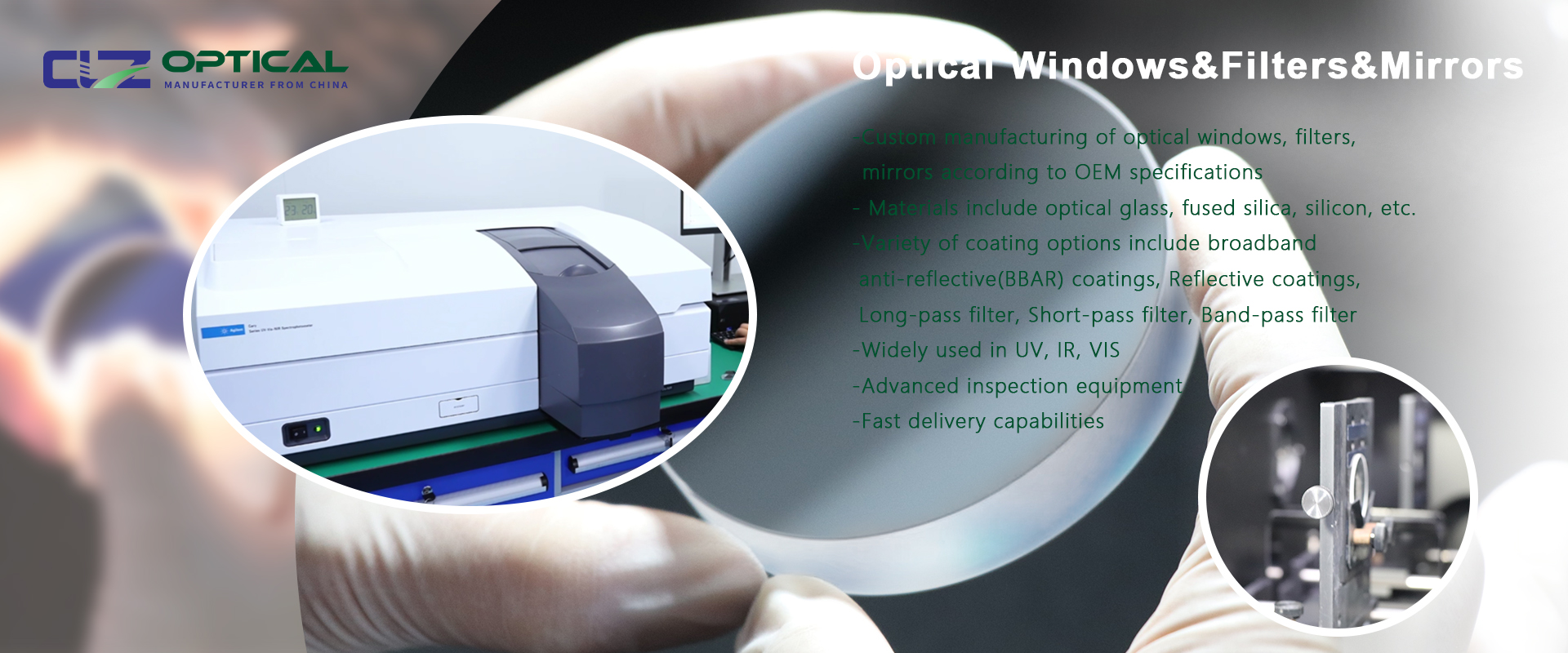
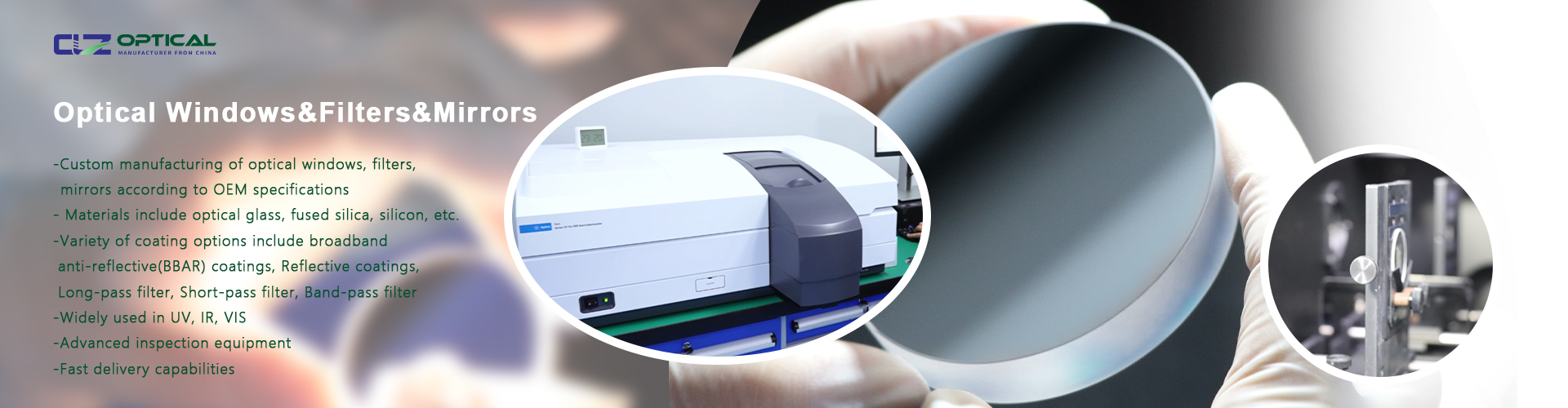
A UV shortpass filter is an optical element that allows shorter wavelengths of light to pass through while blocking or reducing the transmission of longer wavelengths. UV stands for a specific type of wavelength, namely the ultraviolet band. Ultraviolet filters are classified as shortpass filters because they promote the transmission of ultraviolet light while blocking visible and infrared light.
II. What are the main uses of ultraviolet (UV) filters?
Let's explore some of the main uses of UV filters:
• Eliminating UV interference: UV rays often create a hazy effect in photos, especially in landscapes or high-altitude environments. Using a UV filter during photography can counteract the interference of haze and capture clearer, sharper images.
• Protective barrier: As a protective barrier, a UV filter can protect camera lens elements from potential damage caused by dust, moisture, and accidental scratches, ensuring the integrity of the lens.
• Enhancing image color saturation: UV filters help improve color saturation, especially in outdoor photography. By filtering out unwanted UV rays, richer, more vibrant colors are revealed, resulting in captivating images.
• Minimizing lens flare: When a strong light source shines on the lens at an angle, unwanted lens flare is created. UV filters effectively reduce lens flare, producing cleaner, more professional images and photos.
III. What's the difference between UV filters and CPL filters? While both UV and CPL filters are popular choices among photographers, their uses are completely different. Let's look at the differences:
• Purpose of Use: UV filters primarily address the issue of ultraviolet light and its impact on image quality, while CPL filters (circular polarizing filters) are specifically designed to reduce glare, enhance color saturation, and manage reflections.
• Light Propagation: UV filters allow ultraviolet wavelengths to pass through while blocking other types of light; CPL filters selectively filter out polarized light in certain directions.
• Impact on Exposure: UV filters have minimal impact on exposure and are suitable for everyday use. CPL filters reduce the amount of light reaching the camera sensor, resulting in a slightly darker image, which may require adjustments to the camera's exposure settings.
• Applications: UV filters are generally used for protection and to improve overall image sharpness. They are suitable for various types of photography, including landscapes, portraits, and general outdoor shooting. CPL filters are particularly effective when reflection control is needed, such as when photographing water or glass surfaces.