


Ultraviolet bandpass filters used in UV-A and UV-B ultraviolet radiometers
May. 29, 2026
The ultraviolet (UV) spectrum corresponds to wavelengths of 10nm-400nm in a vacuum, with spectral frequencies higher than the visible light band. Based on its impact on humans and the natural environment, and its atmospheric propagation characteristics, UV radiation can be divided into several sub-bands. UV-A and UV-B are the core bands most frequently detected in ground-based environmental monitoring and meteorological observation. The specific characteristics of each band are as follows:
1. UV-A (315-400nm, low-frequency long-wave ultraviolet radiation): Almost not absorbed by the ozone layer in the atmosphere, its distribution and content are stable in natural sunlight. It has strong penetrating power during propagation. Long-term exposure not only causes sunburn but may also accelerate skin aging. It is one of the most frequently monitored bands in daily UV detection and a key target band for UV radiometers.
2. UV-B (280-315nm, mid-frequency medium-wave ultraviolet radiation): Extremely affected by changes in ozone layer concentration. Fluctuations in the stratospheric atmosphere and ozone depletion directly cause significant changes in UV-B radiation intensity. Simultaneously, its short wavelength and high energy make even short-term exposure highly likely to cause sunburn damage to human skin. Together with UV-A, it constitutes the core detection range of an ultraviolet radiometer.
3. UV-C: UV-C wavelength <280nm (high-frequency short-wave). Ultraviolet radiation in this band is largely absorbed by ozone and oxygen in the atmosphere, almost never reaching the ground. Therefore, it is rarely used in routine ultraviolet radiometer and solar intensity meter applications, and is only used in some specialized scientific research scenarios.
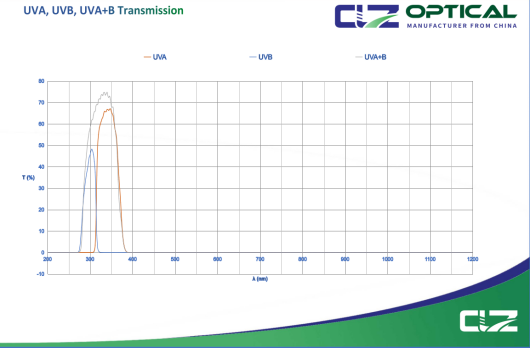
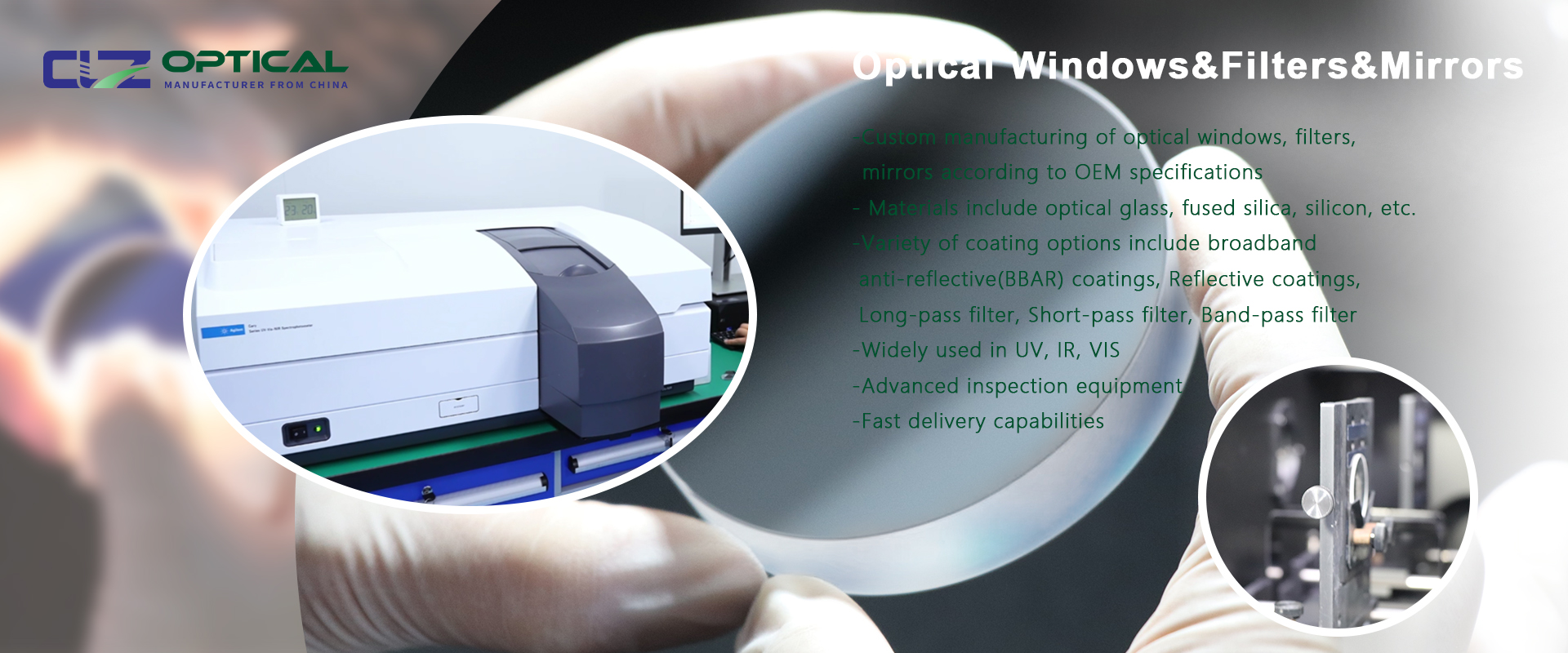
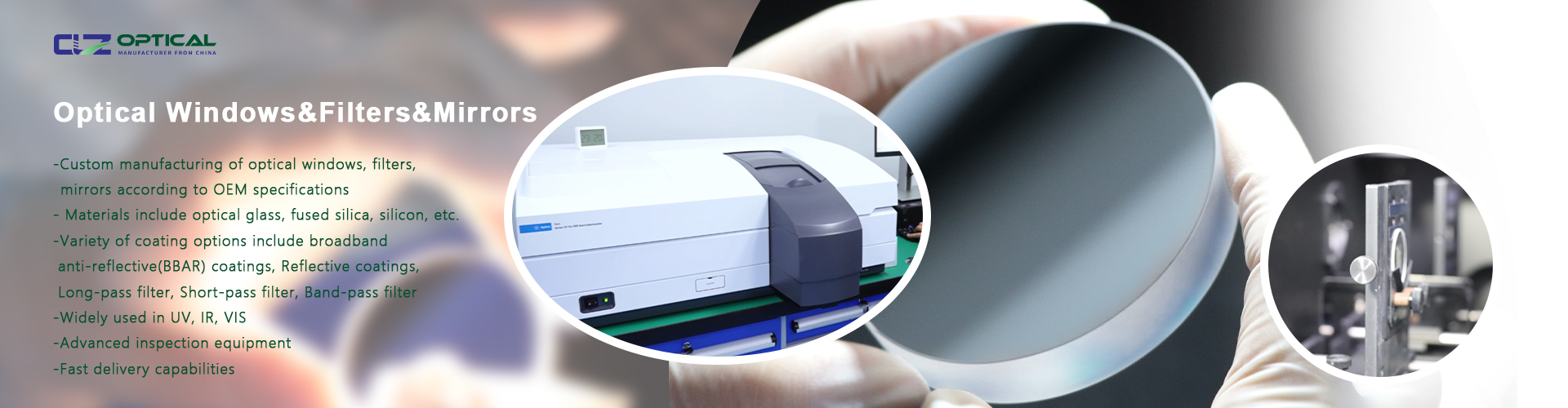
Ultraviolet (UV) bandpass filters are precision optical components specifically designed for the 400nm UV band. Their core function is to precisely filter the light path, allowing only specific UV wavelengths to pass through while effectively shielding stray light interference from visible and infrared light. They are indispensable core optical components for separating and purifying target UV light.
In the actual operation of a UV radiometer, incident solar radiation first penetrates the optical diaphragm for basic filtering protection, then passes through dedicated UV-A and UV-B bandpass filters for precise spectral separation. This precisely filters out the corresponding wavelengths of light to enter the built-in sensor, thereby accurately detecting the intensity of UV-A and UV-B ultraviolet radiation. They are widely applicable to professional scenarios such as ultraviolet spectral analysis, atmospheric ozone monitoring, and environmental meteorological detection.
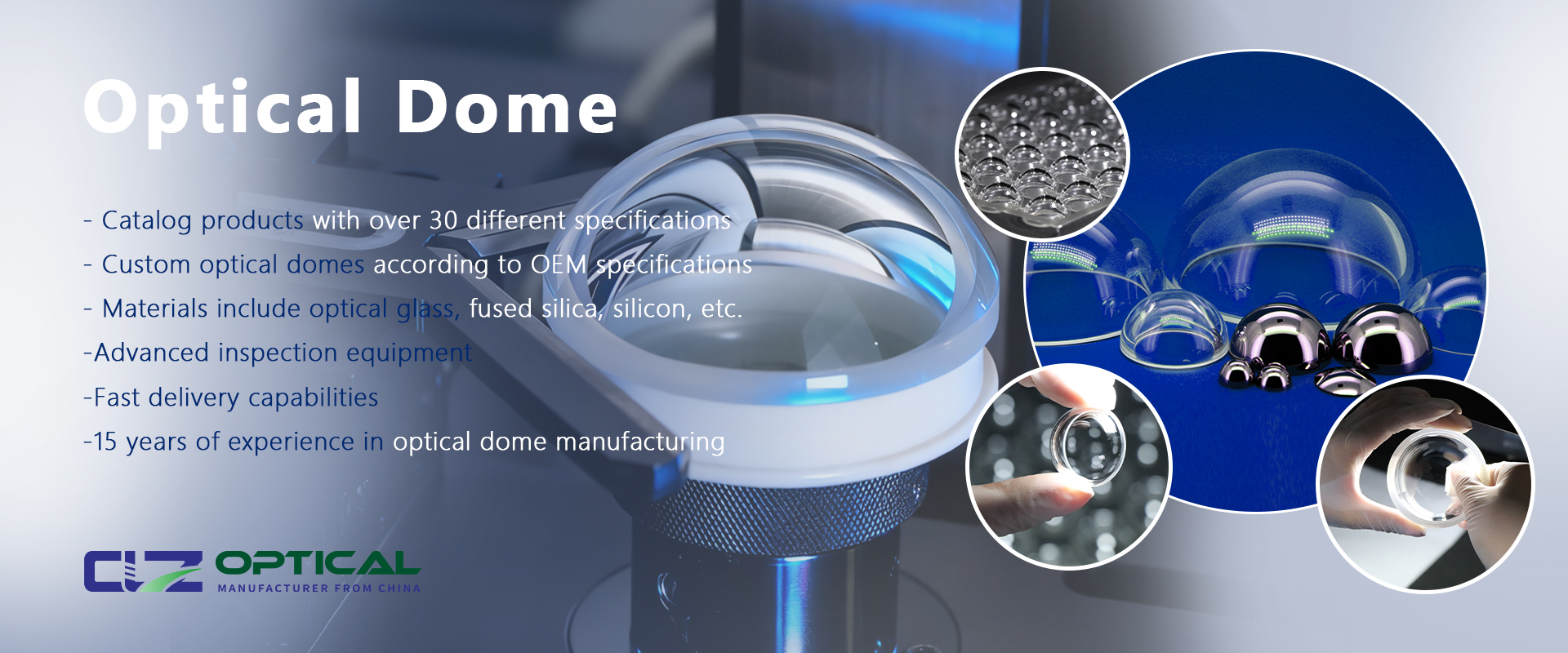
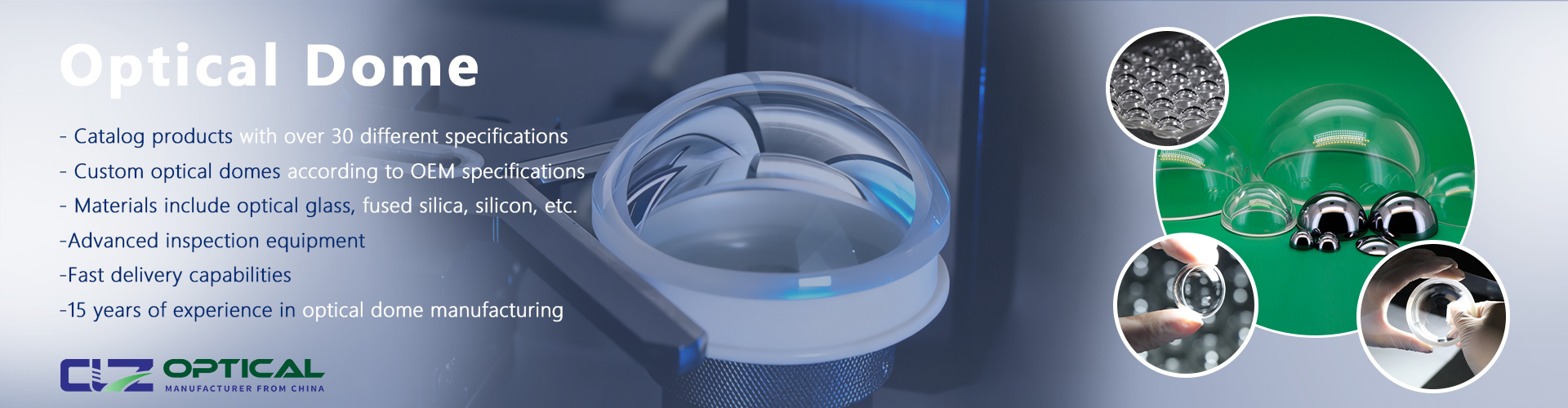
CLZ Optical has been deeply involved in the field of precision optical components for many years, consistently providing high-quality supporting optical components to manufacturers of meteorological and solar radiation detection instruments. Our range of optical domes is fully compatible with the two major types of equipment: solar intensity meters and ultraviolet radiometers. Among them, the quartz optical dome is specially designed for UVA/UVB ultraviolet radiometers, with ultra-high light transmittance in the 200-400nm ultraviolet range, low optical loss, and strong stability. We also offer multiple specifications of optical domes made of H-K9L material to meet the needs of different equipment operating conditions.
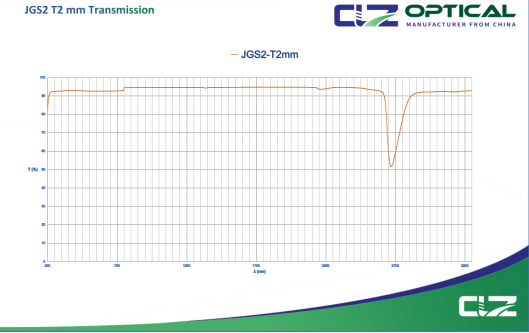
The complete optical system can stably detect the radiation intensity of the mainstream ultraviolet bands UVA and UVB, and is fully compatible with various application scenarios of solar radiation meters and ultraviolet radiometers. It serves a wide range of professional fields such as photovoltaic power generation efficiency monitoring, atmospheric air pollution analysis, meteorological cloud cover observation, and solar radiation scientific research, providing reliable optical support solutions for various precision detection instruments.