


Silicon Domes: High-Precision Optical Components for Advanced Infrared and Terahertz Systems
Mar. 03, 2026
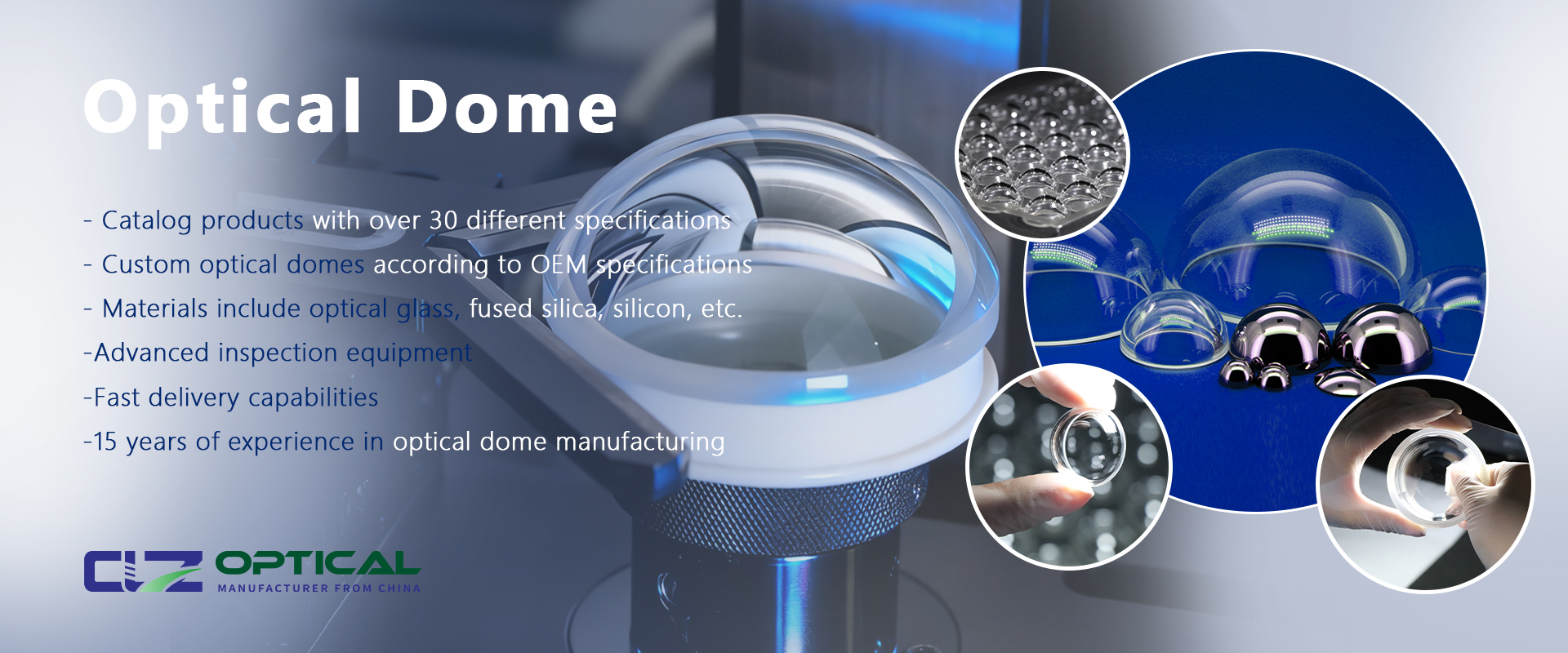
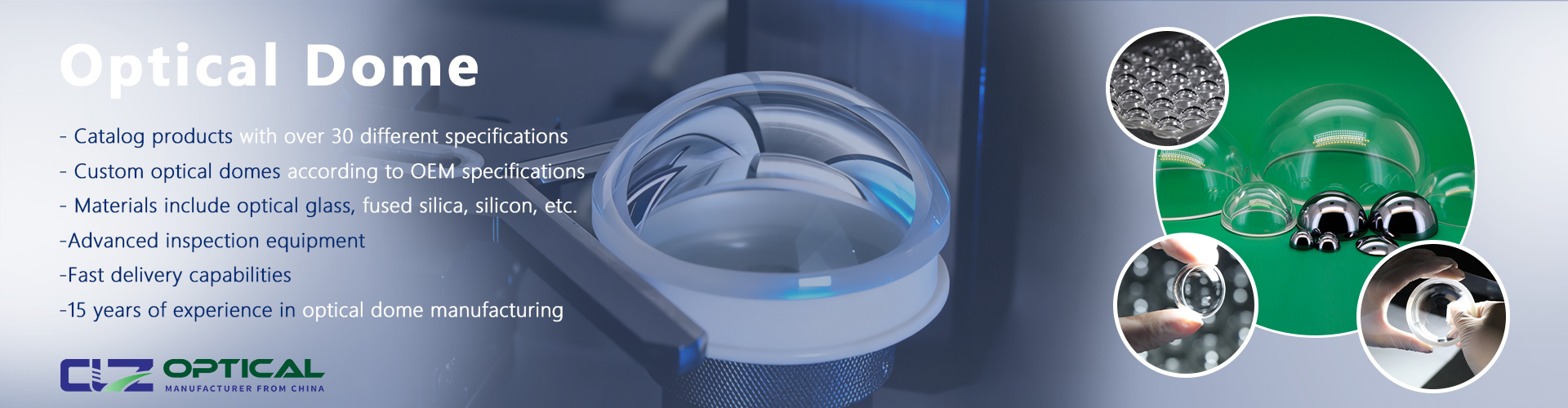
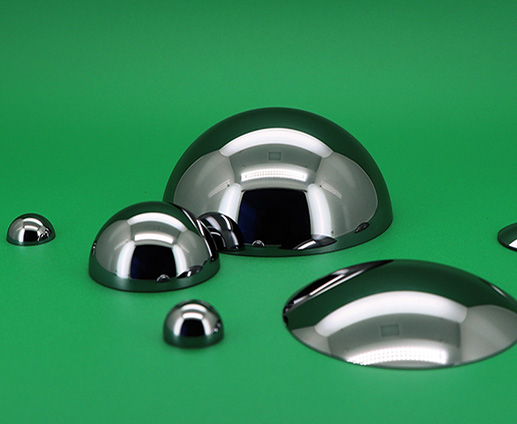
Silicon domes are high-performance optical elements widely used in infrared (IR) and terahertz (THz) applications. Designed with a hemispherical or custom dome geometry, these components provide excellent transmission properties, mechanical durability, and environmental protection for sensitive optical and sensing systems.
Manufactured from high-purity silicon—often high-resistivity float zone silicon (HRFZ-Si) for THz applications—silicon domes serve both as protective windows and as functional optical elements that shape, focus, or transmit electromagnetic radiation efficiently.
What Are Silicon Domes?
A silicon dome is a curved optical component, typically hemispherical or spherical-segment shaped, made from optical-grade silicon. Unlike flat windows, dome structures provide:
Wide field-of-view (FOV) capability
Reduced aerodynamic drag (in airborne systems)
Enhanced structural strength
Improved environmental sealing
Depending on the application, silicon domes may function as:
Protective sensor covers
Infrared transmission windows
Terahertz optical lenses
Radomes for high-frequency systems
Why Silicon Is Ideal for Dome Applications
Excellent Infrared Transmission
Silicon offers high transmission in the 1–7 μm infrared range and strong performance in parts of the terahertz spectrum. This makes it suitable for:
Thermal imaging systems
Infrared cameras
Missile guidance optics
THz spectroscopy equipment
High Mechanical Strength
Compared to materials such as germanium or zinc selenide, silicon provides:
Higher hardness
Better impact resistance
Improved durability under harsh environments
Thermal Stability
Silicon maintains stable optical performance across a wide temperature range, making it ideal for aerospace, defense, and industrial environments.
Lightweight Compared to Alternatives
Silicon domes are lighter than many traditional IR optical materials, improving system efficiency in weight-sensitive applications.
Types of Silicon Domes
Infrared Silicon Domes
Used in thermal imaging, surveillance systems, and infrared sensors. They provide high optical clarity and environmental protection.
Terahertz Silicon Domes
Manufactured from HRFZ-Si, these domes ensure low absorption and minimal dielectric loss in the 0.1–10 THz frequency range.
Custom Optical Domes
Designed with specific curvature radii, wall thickness, and diameter to match unique optical system requirements.
Key Performance Characteristics
When selecting a silicon dome, engineers typically evaluate:
Material purity and resistivity
Surface quality (scratch-dig specification)
Surface roughness
Diameter and wall thickness
Transmission wavelength range
Anti-reflection (AR) coating options
Environmental resistance
Because silicon has a high refractive index (~3.4 in IR/THz ranges), uncoated surfaces can reflect up to 30% of incident radiation. Applying AR coatings significantly improves transmission efficiency.
Manufacturing Process of Silicon Domes
High-Purity Silicon Material Selection
Float zone or Czochralski-grown silicon is chosen depending on application frequency requirements.
Precision CNC Machining
Advanced machining ensures accurate curvature and dimensional tolerance.
Optical Polishing
Polishing reduces surface scattering and enhances transmission.
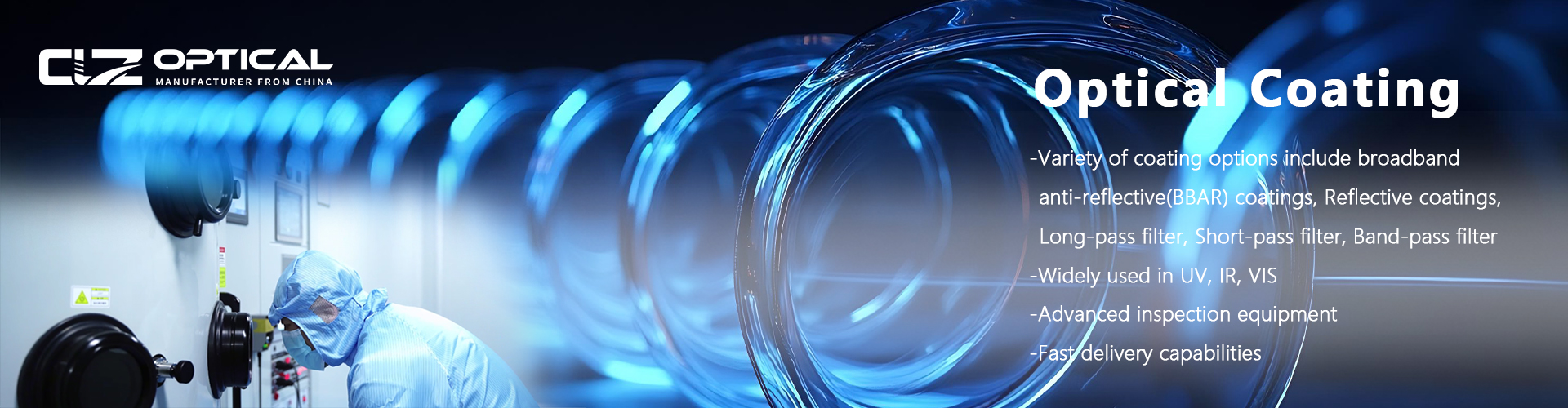
Coating and Surface Treatment
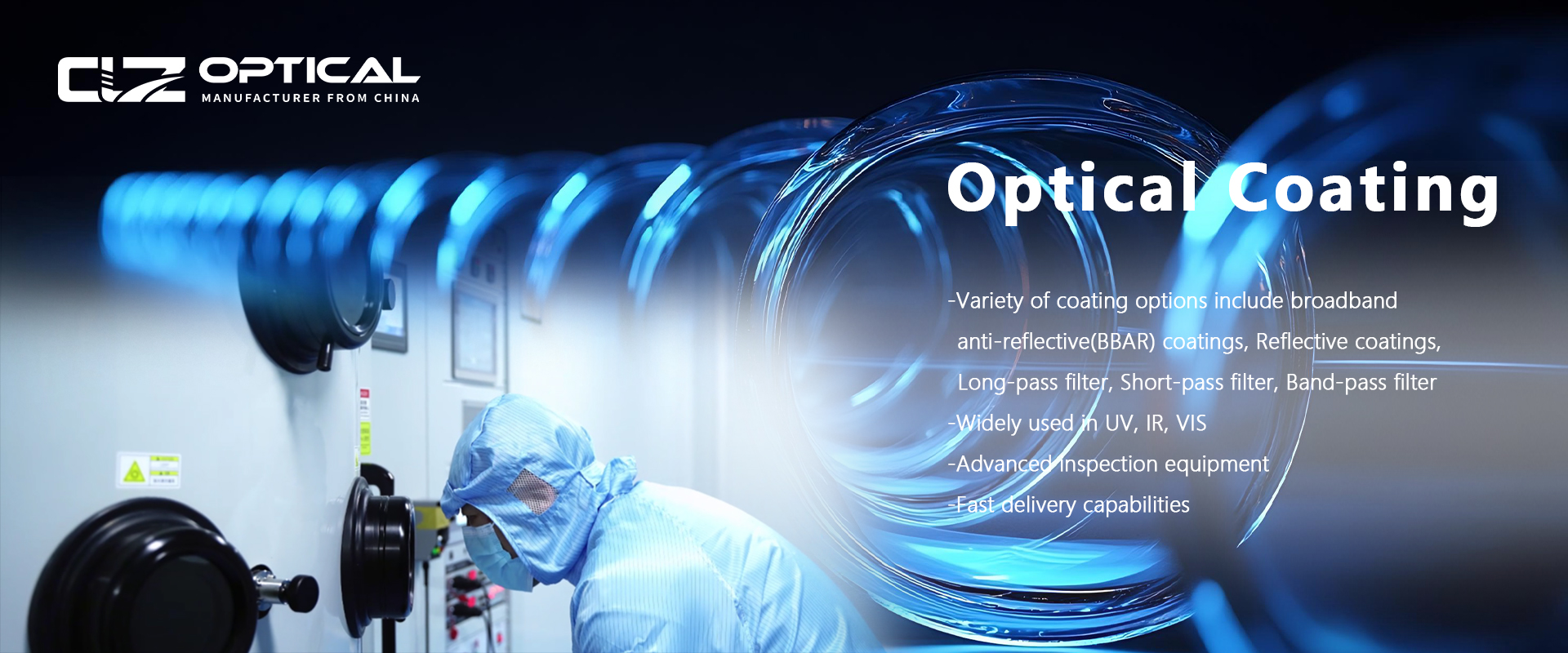
Custom AR coatings or protective coatings can be applied to optimize performance for specific wavelength ranges.
Applications of Silicon Domes
Aerospace and Defense
Silicon domes are widely used in:
Infrared seeker systems
Missile guidance optics
UAV imaging systems
High-frequency radar protection
Their aerodynamic shape and mechanical durability make them ideal for airborne systems.
Industrial Infrared Imaging
Thermal cameras used in predictive maintenance, manufacturing inspection, and power grid monitoring often integrate silicon dome covers.
Terahertz Systems
In THz imaging and spectroscopy, HRFZ silicon domes enable efficient radiation transmission while protecting sensitive detectors.
Scientific Research
Laboratory-grade optical domes are used in cryogenic setups, spectroscopy instruments, and precision measurement systems.
Advantages Over Alternative Materials
Compared to germanium domes:
Lower density
Better high-temperature performance
Cost advantages in certain sizes
Compared to polymer domes:
Higher scratch resistance
Better environmental durability
More stable optical properties
The choice ultimately depends on wavelength range and environmental requirements.
Customization Options
Manufacturers often provide:
Custom diameters and curvature
Edge finishing and mounting features
Broadband or narrowband AR coatings
High-resistivity material options for THz use
Tight dimensional tolerances for defense-grade applications
Custom fabrication ensures compatibility with specific optical assemblies and system integration requirements.
Future Trends in Silicon Dome Technology
With the rapid growth of:
Advanced thermal imaging
Autonomous navigation systems
Terahertz communication
Semiconductor inspection
The demand for precision-engineered silicon domes continues to increase. Emerging innovations include micro-structured anti-reflection surfaces and ultra-precision polishing technologies to further reduce transmission loss.
Conclusion
Silicon domes are versatile, high-performance optical components designed for infrared and terahertz applications. Combining excellent transmission properties, mechanical durability, and thermal stability, they provide reliable solutions for aerospace, defense, industrial imaging, and scientific research systems.
For engineers seeking durable, low-loss optical protection with wide spectral compatibility, silicon domes remain a proven and future-ready solution in advanced photonic applications.