


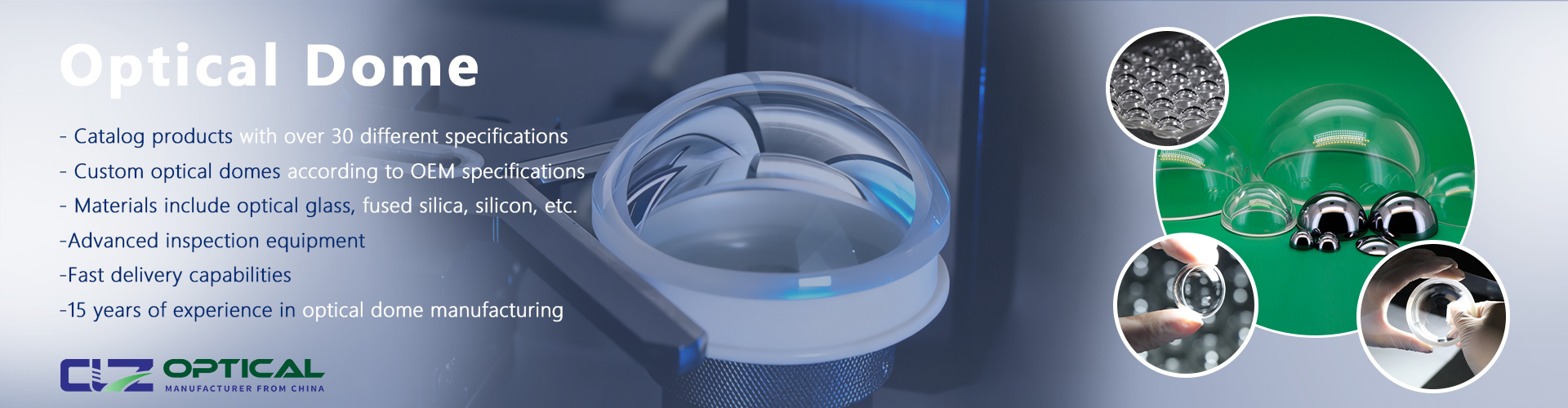
Optical Domes for Pyranometer in High Quality, High-Precision
Dec. 22, 2025
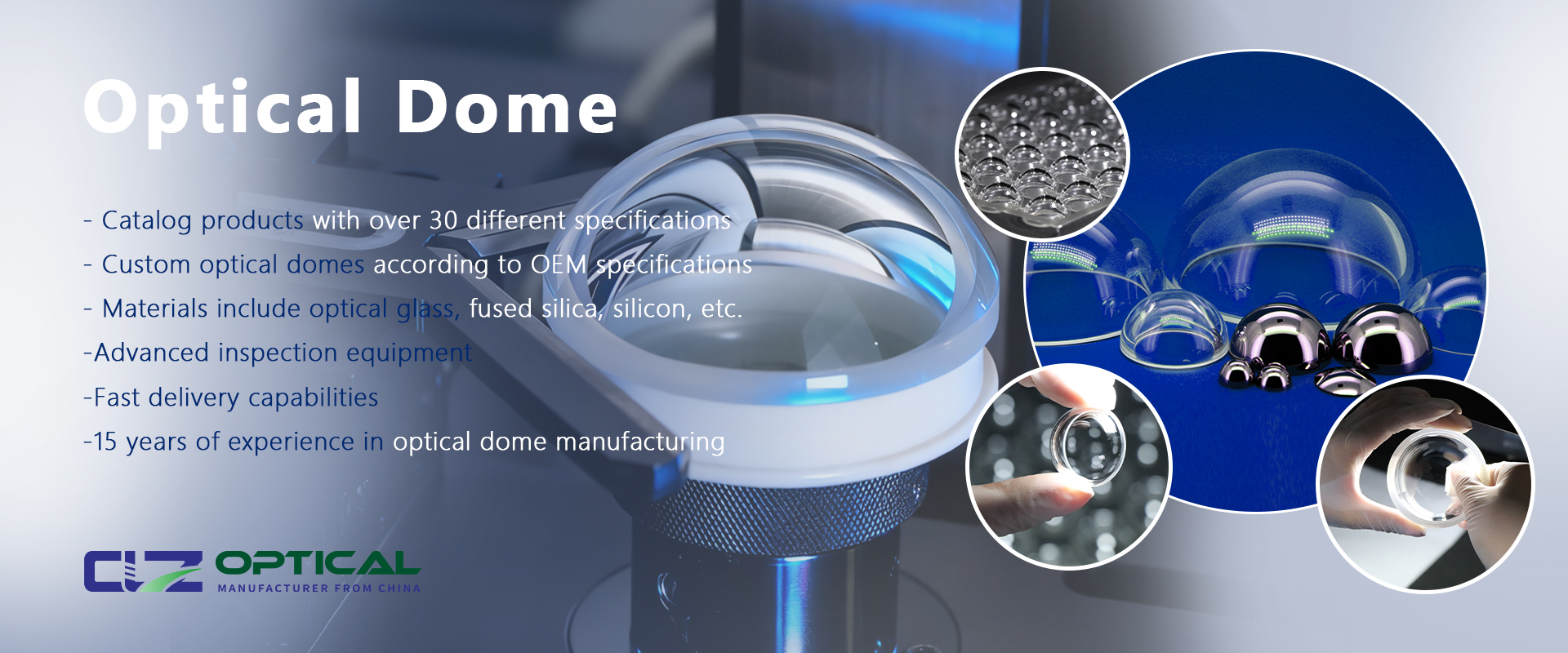
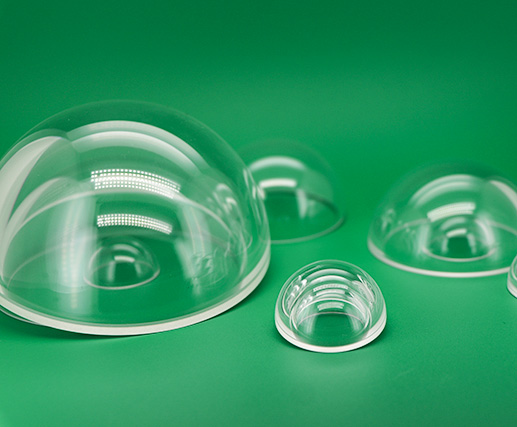
Accurate solar radiation measurement depends not only on sensor electronics but also on the optical components that protect and shape the incoming light. Among these components, optical domes for pyranometers play a critical role in ensuring measurement accuracy, environmental stability, and long-term reliability.
In high-precision meteorological and solar monitoring systems, optical domes are not simply protective covers—they are precision optical elements that directly influence data quality.
The Role of Optical Domes in Pyranometer Performance
A pyranometer measures global solar irradiance by capturing direct and diffuse radiation across a wide spectral range. The optical dome serves as the interface between the external environment and the sensing element.
High-quality optical domes are designed to:
Transmit solar radiation uniformly
Protect the sensor from wind, rain, dust, and snow
Minimize spectral distortion and angular errors
Maintain stable performance under varying environmental conditions
Any imperfection in the dome can introduce measurement bias, making dome quality essential for high-precision applications.
Why High-Quality Optical Domes Matter
Spectral Transmission Accuracy
Pyranometers typically operate across a broad solar spectrum. High-quality optical domes ensure consistent and well-characterized transmission over the required wavelength range, reducing spectral mismatch errors.
Inferior domes may absorb or scatter certain wavelengths, leading to inaccurate irradiance readings over time.
Angular Response and Cosine Accuracy
One of the most critical requirements of a pyranometer is accurate cosine response. Precision optical domes are engineered with controlled geometry and optical uniformity to ensure that radiation entering from different angles is transmitted consistently.
This helps maintain measurement accuracy throughout the day as the sun’s position changes.
Environmental Stability and Durability
High-precision optical domes must withstand extreme weather conditions, including temperature fluctuations, UV exposure, humidity, and mechanical stress.
Premium materials and advanced manufacturing processes help maintain optical clarity and structural integrity over long deployment periods, especially in outdoor and remote monitoring stations.
Materials Used in High-Precision Optical Domes
Optical Glass Domes
Optical glass domes are widely used in high-end pyranometers due to their excellent transmission stability, low aging effects, and resistance to UV radiation. They provide long-term consistency, which is critical for climate research and calibration-sensitive measurements.
Surface Quality and Homogeneity
High-quality optical domes are manufactured with precise surface polish and material homogeneity. This minimizes internal scattering and refraction errors that could otherwise affect measurement accuracy.
Uniform optical properties ensure reliable data across the entire sensing area.
Manufacturing Precision and Quality Control
Producing optical domes for pyranometers requires strict control at every stage of manufacturing. Key factors include:
Precise curvature and thickness control
High surface smoothness
Tight dimensional tolerances
Consistent optical transmission testing
Each dome is typically inspected and tested to ensure it meets the performance requirements expected in scientific and industrial applications.
Coatings and Surface Treatments
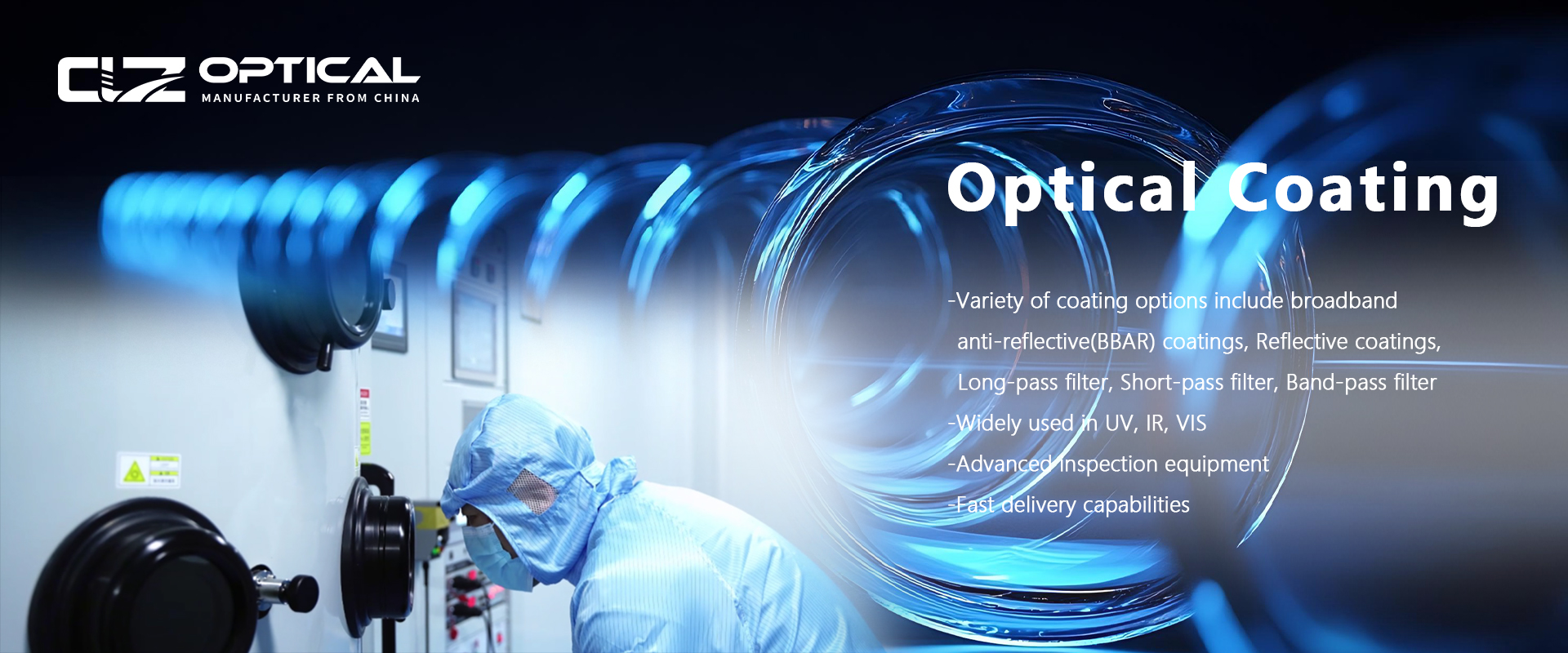
Advanced surface treatments can further enhance dome performance. Anti-reflective coatings help increase transmission efficiency and reduce reflection losses, while hydrophobic coatings can minimize water accumulation and contamination.
These treatments are especially valuable for long-term outdoor installations where maintenance access may be limited.
Applications Requiring High-Precision Optical Domes
High-quality optical domes for pyranometers are essential in:
Meteorological monitoring stations
Solar energy performance assessment
Climate research and atmospheric studies
Environmental monitoring networks
Calibration laboratories
In these applications, data accuracy directly impacts research conclusions, system efficiency, and regulatory compliance.
Optical Domes and Long-Term Measurement Stability
One of the defining features of high-precision optical domes is their ability to maintain consistent performance over time. Stable transmission characteristics reduce the need for frequent recalibration and ensure data continuity.
This long-term stability is especially important for climate datasets and solar resource assessments that rely on consistent measurements across years or decades.
Selecting the Right Optical Dome for Pyranometers
When sourcing optical domes for pyranometers, buyers should consider:
Spectral transmission requirements
Optical uniformity and surface quality
Environmental resistance and durability
Compatibility with existing pyranometer designs
Manufacturer quality assurance and testing processes
Choosing the right dome is a critical step in ensuring reliable and accurate solar radiation measurements.
Industry Trends in Pyranometer Optical Domes
As solar energy and climate monitoring continue to grow, demand is increasing for optical domes with higher precision, improved durability, and enhanced environmental performance.
Advances in optical materials, coating technologies, and manufacturing precision are driving the development of next-generation optical domes that support more accurate and reliable pyranometer measurements.
Conclusion
High-quality, high-precision optical domes are a foundational component of reliable pyranometer performance. By ensuring accurate spectral transmission, consistent angular response, and long-term environmental stability, these optical elements enable precise solar radiation measurements in demanding conditions.
For researchers, system integrators, and equipment manufacturers, investing in premium optical domes is essential for achieving dependable and high-precision pyranometer data.