


Optical Domes: Precision Protection for Advanced Optical Systems
Feb. 09, 2026
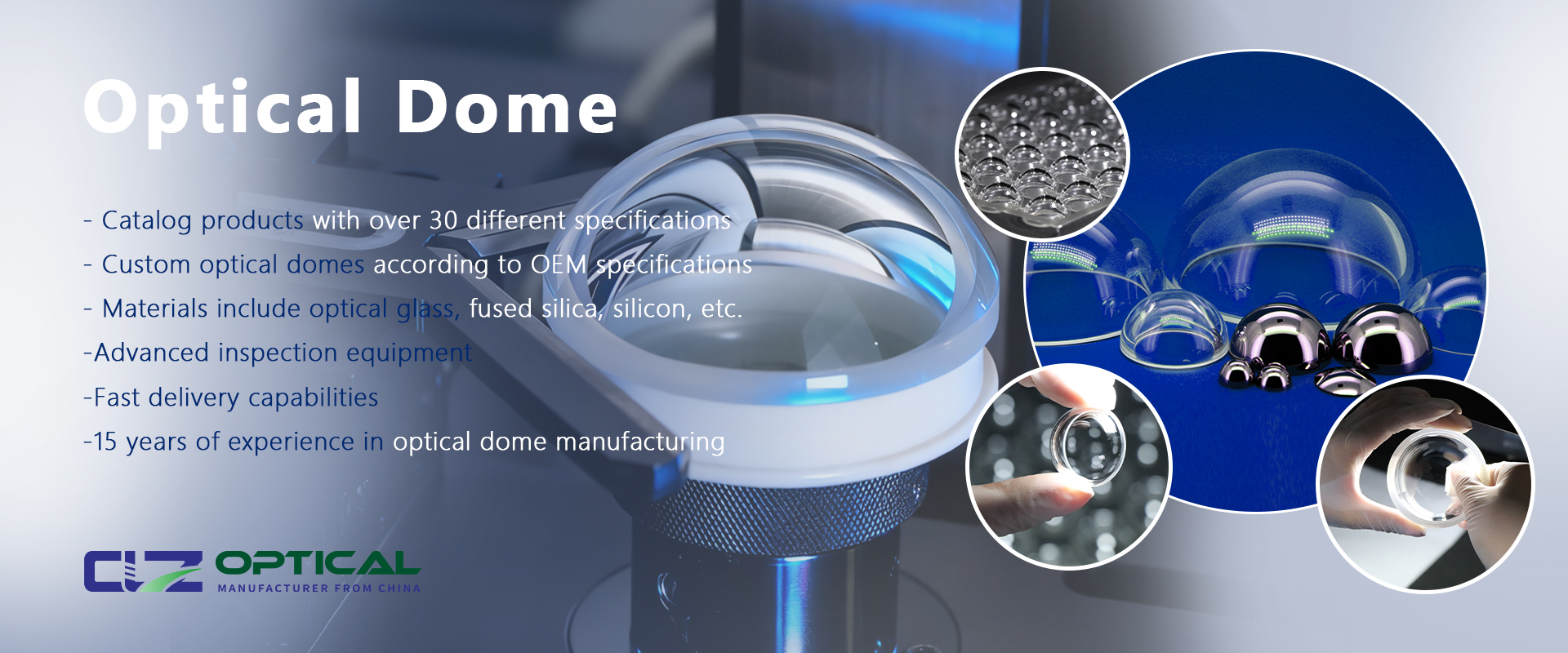
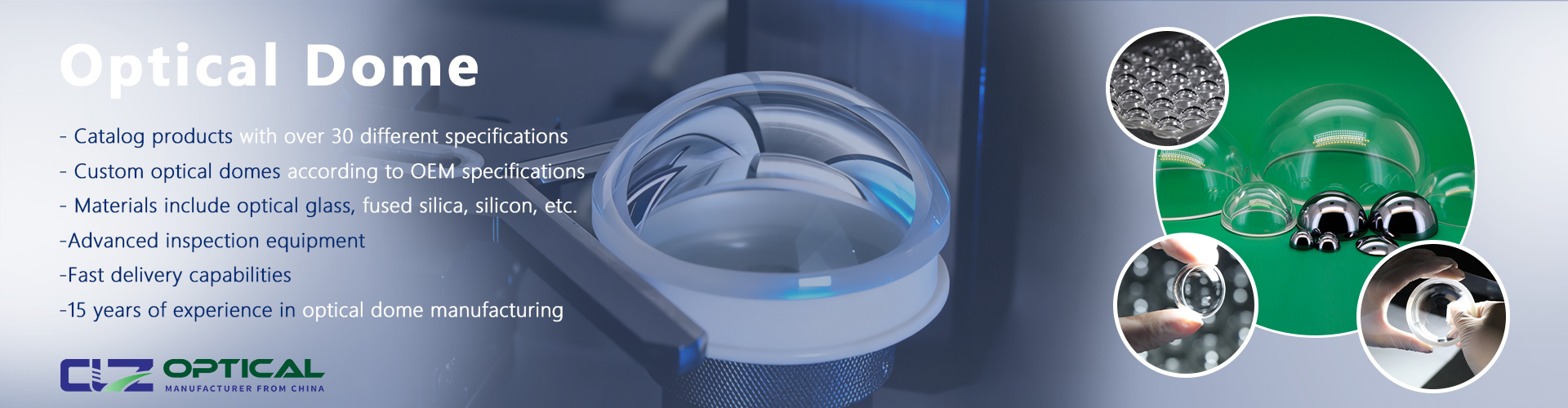
Optical domes are curved protective windows designed to shield sensitive optical components while maintaining high light transmission and minimal distortion. They are widely used in aerospace, defense, marine, industrial, and scientific imaging applications, where environmental protection and optical clarity are equally critical.
This guide provides a complete overview of optical domes, covering their types, materials, optical advantages, manufacturing, applications, and selection guidelines.
What Are Optical Domes?
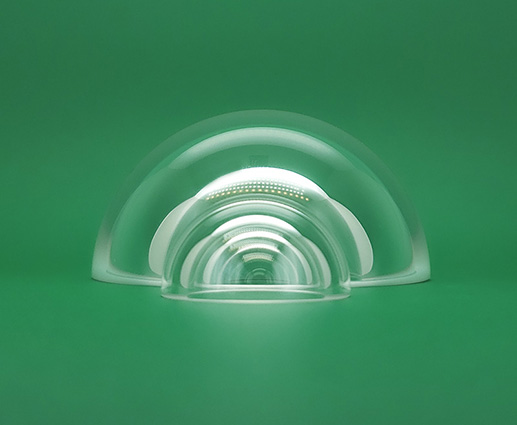
An optical dome is a spherical or hemispherical transparent window that covers cameras, sensors, or other optical devices. Unlike flat windows, the dome shape allows for:
Wide field-of-view imaging
Minimal optical distortion
High angular accuracy
They protect sensitive devices from dust, water, high pressure, impact, and environmental contaminants while preserving optical performance.
Materials Used in Optical Domes
Optical domes are made from materials optimized for strength, optical clarity, and environmental resistance:
1. Sapphire
Extremely hard (Mohs 9)
High-temperature and chemical resistance
Ideal for aerospace, defense, and deep-sea applications
2. Fused Silica / Quartz
Excellent UV to IR transmission
High thermal stability
Suitable for laser systems and scientific instruments
3. Polycarbonate and Acrylic
Lightweight and impact-resistant
Economical for commercial drones and cameras
Less suitable for high-temperature or high-pressure environments
4. BK7 Glass
Good optical clarity
Moderate strength and durability
Common in mid-range optical and industrial systems
Optical Advantages of Domes
Optical domes offer several advantages over flat windows:
Wide Field of View
Curved geometry enables 360° or near-hemispherical imaging without introducing excessive refraction errors.
Low Distortion
Precision polishing and curvature design minimize aberration, crucial for:
Surveillance cameras
LIDAR sensors
High-precision imaging
Enhanced Durability
Domes distribute mechanical stress more evenly than flat windows, allowing:
Higher impact resistance
Improved pressure tolerance
Long-term reliability in harsh environments
Multi-Spectral Transmission
High-quality materials ensure broad spectral range, including UV, visible, and IR, suitable for:
Laser systems
Thermal imaging
Multi-spectral sensors
Manufacturing Process of Optical Domes
High-performance optical domes require precision engineering:
Step 1: Material Selection
Choose a high-purity, optical-grade material based on application needs.
Step 2: Shaping
CNC machining for metal or glass domes
Precision molding for polymers
Step 3: Polishing
Achieves nanometer-level surface smoothness for low scattering and high transmission.
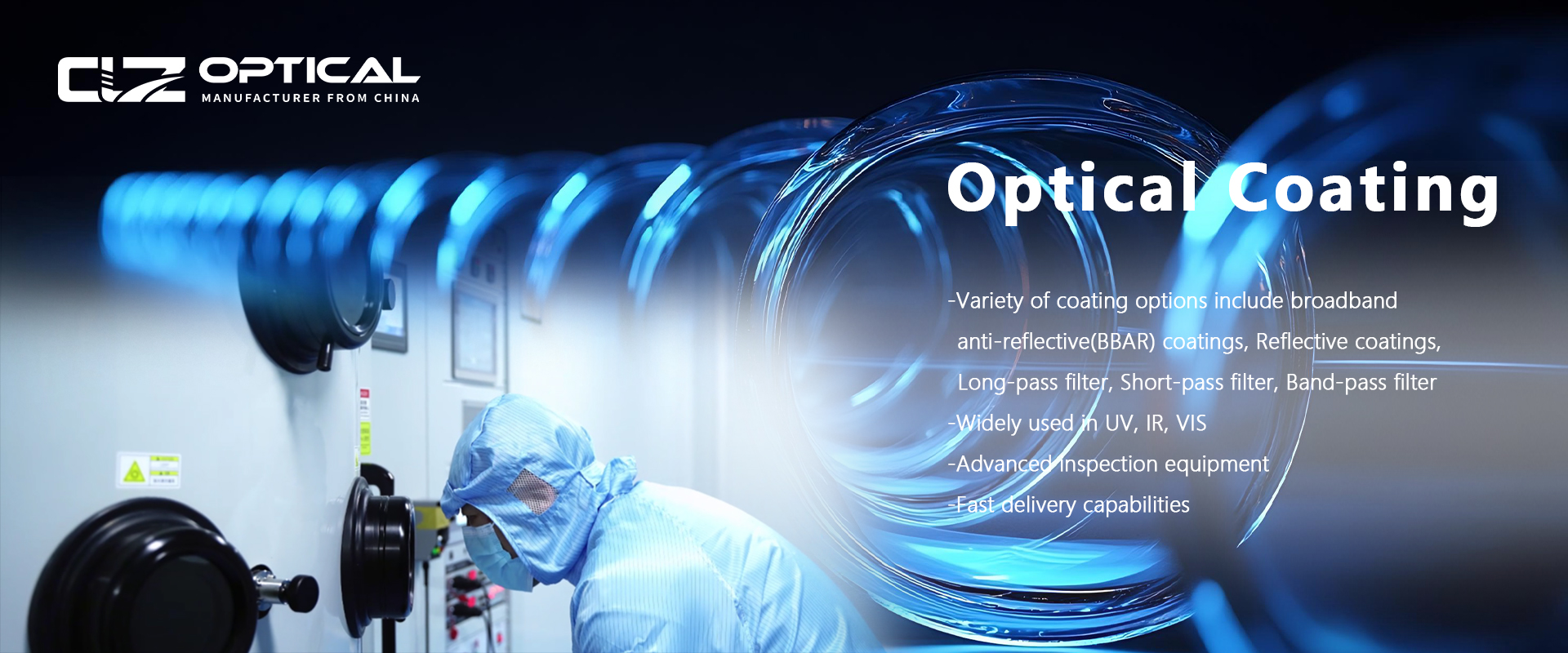
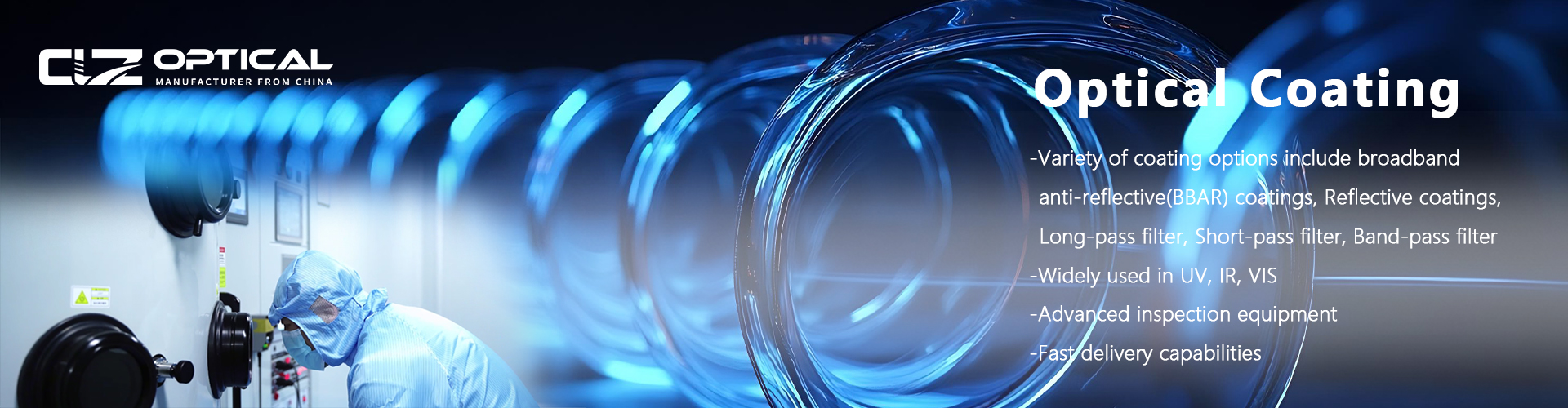
Step 4: Coating (Optional)
Anti-reflection (AR) coatings reduce Fresnel losses
Hard coatings enhance scratch resistance
Infrared coatings improve thermal imaging performance
Applications of Optical Domes
Aerospace and Defense
Missile seeker windows
Drone camera covers
LIDAR and radar sensor protection
Marine and Underwater Systems
Submarine observation windows
Deep-sea camera domes
Pressure-resistant optical sensors
Industrial and Scientific Instruments
High-pressure reactor viewports
Laser and spectroscopic systems
Environmental monitoring sensors
Consumer Electronics and UAVs
Drone camera gimbals
Security cameras
Outdoor surveillance systems
How to Choose the Right Optical Dome
When selecting an optical dome, consider:
Dome Geometry
Hemispherical: Wide-angle imaging, minimal distortion
Spherical / Hyper-hemispherical: Specialized multi-directional optics
Material Requirements
High strength: Sapphire, fused silica
Lightweight: Polycarbonate, acrylic
Optical Performance
Transmission across required spectral bands (UV, visible, IR)
Low wavefront error
High surface quality
Coating Needs
AR coatings for low reflection
Protective coatings for abrasion or chemical exposure
Size and Thickness
Larger diameters improve optical coverage
Thickness affects mechanical strength and weight
Future Trends in Optical Dome Technology
Optical domes are evolving to meet the demands of:
Miniaturized drone and UAV sensors
Advanced multi-spectral imaging systems
Integrated smart sensors with AI-based imaging
Lightweight, high-strength materials for aerospace and defense
With rapid growth in autonomous vehicles, surveillance, and environmental sensing, high-performance optical domes are becoming increasingly critical.
Conclusion
Optical domes provide the perfect balance of environmental protection and optical performance. Their advantages include:
Wide field-of-view imaging
Low distortion and high clarity
Mechanical durability and chemical resistance
Compatibility with multi-spectral sensors
For any optical system operating in extreme, harsh, or high-precision environments, selecting the right optical dome is essential for long-term performance and reliability.